New Berlin's Local Foundation & Basement Specialists
Basement Wall Crack Repair in New Berlin, WI
Call 414-262-5777 — we'll diagnose it and give you a straight, written quote.
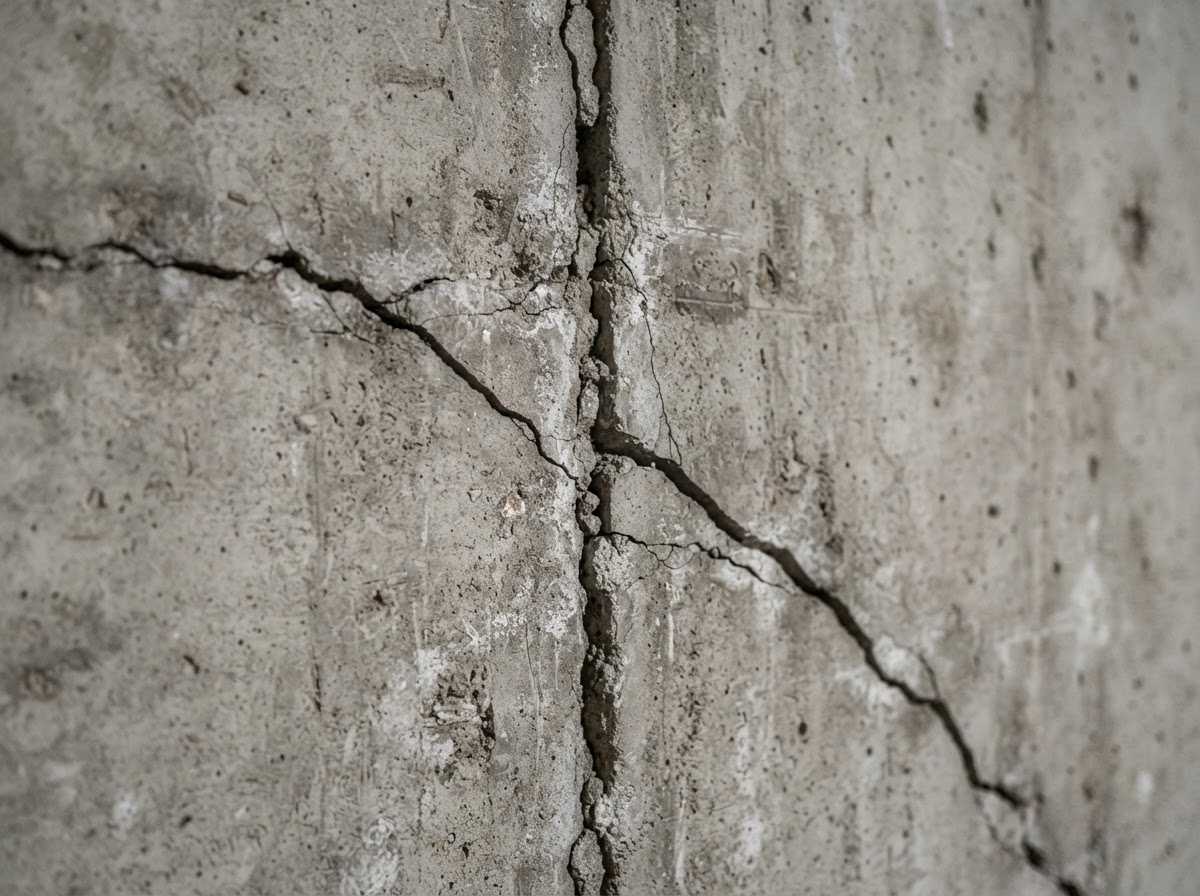
Not every crack in a basement wall is a crisis, but you need to know which ones are. Vertical and diagonal hairline cracks in poured concrete are common and usually cosmetic. Stair-step cracks in block walls, wide cracks, and cracks that leak water or grow over time need attention. Horizontal cracks along a mortar joint are a different animal — they can mean the wall is being pushed inward.
We seal the cracks that can be sealed with injection and epoxy, tell you plainly when a crack is just a crack, and — if a crack signals a bigger structural problem — point you to our structural wall repair work rather than papering over it.
A Crack Is a Record of Movement
Every crack in a New Berlin basement wall tells a story — how the concrete cured, how the soil has shifted, and how many freeze-thaw cycles have pried it open. A hairline crack that's stayed put for years is usually nothing to fear, but one that's widened, started leaking, or turned horizontal along a mortar joint is the wall asking for help. Injecting and sealing the cracks that need it now keeps water out and stops the slow widening that turns a simple fix into a structural one. Knowing which is which is exactly why we come look.
Call 414-262-5777Request Your Free Estimate
Tell us what you're seeing. No obligation.
Proud to Serve New Berlin & Southeastern Wisconsin
We work across the whole region. Tap your town for local details.
What's Included
Crack diagnosis
We tell you which cracks are cosmetic, which leak, and which are structural — and what to do about each.
Epoxy & polyurethane injection
Sealing poured-concrete cracks against water and bonding the wall back together.
Block wall crack repair
Stair-step and vertical cracks in concrete block walls, sealed and stabilized as needed.
Leaking crack sealing
Cracks that let water in, sealed so the next storm stays outside.
Structural referral
If a crack means the wall is bowing, we say so and point you to our structural repair work.
Why This Happens in New Berlin
Cracks are everywhere in basements around here, and the local soil and climate are why. Southeastern Wisconsin's glacial till is full of heavy clay that swells when wet and shrinks when dry, so basement walls get squeezed and released with every season. Repeated freeze-thaw cycles — our winters freeze the ground several feet deep — widen cracks year after year as water gets in, freezes, and expands.
Most New Berlin homes were built from the 1950s through the 1990s with poured-concrete or concrete-block basements, and decades of seasonal movement have had time to open cracks in both. Spring snowmelt and summer thunderstorms drive water into those cracks, which is why so many homeowners first notice a crack because it's wet after a storm. The older lakeshore homes in Cudahy, South Milwaukee and Milwaukee — many from the early 1900s with aging block walls — tend to have the most and widest cracks.
Prevention Tips
Keep water away from the wall so cracks don't get forced wider. Clean gutters and extend downspouts well away from the foundation, and grade soil so it slopes away on all sides. Watch cracks over time — mark the ends with a pencil and date them so you can see if they're growing. A hairline crack that stays the same for years is usually fine; one that widens, leaks, or runs horizontally along a mortar joint should be inspected. Catching a crack before it becomes a bowing wall is far cheaper.
Cost Guide
Every home is different, so we give you a free quote after inspection. Here's what shapes the price.
| Repair Type | Typical Price Range | What Affects Cost |
|---|---|---|
| Crack inspection | Free | No charge to find out which cracks matter and which don't. |
| Epoxy / polyurethane injection | Free quote after inspection | Crack length, number of cracks, and wall access. |
| Block wall crack repair | Free quote after inspection | Crack type, whether blocks need resetting, and sealing method. |
| Leaking crack sealing | Free quote after inspection | Number of leaking cracks and whether drainage behind the wall needs work too. |
Why Choose Us for Basement Wall Crack Repair
Honest triage
We tell you which cracks to fix and which to leave alone — no scare tactics.
Seal the right way
Injection bonds the wall and stops water, not just a surface patch.
Know when it's structural
If a crack means the wall is bowing, we say so and don't just seal over it.
Get Your Free Estimate
Tell us what you're seeing and we'll come take a look — no pressure, no obligation.
Our Process
Call or request
Tell us about the crack — where, how wide, and whether it leaks.
Inspect & classify
We map every crack and tell you which are cosmetic, leaking, or structural.
Written quote
You get a clear sealing plan and price, no obligation.
Seal & document
We inject and seal the cracks and show you the finished work.
Basement Wall Crack Repair FAQ
Which cracks are serious and which are cosmetic?
Vertical and diagonal hairline cracks in poured concrete are common as the wall cures and settles, and they're usually cosmetic. Stair-step cracks in block walls, cracks wider than about a quarter inch, cracks that leak water, and cracks that grow over time need attention. A horizontal crack along a mortar joint is the one to take seriously — it can mean the wall is being pushed inward. When in doubt, get it looked at.
What's crack injection and when is it used?
Crack injection fills a crack in a poured concrete wall with epoxy or polyurethane to seal it against water and bond the concrete back together. It works well for stable, non-structural cracks that are leaking or at risk of leaking. It's not the right fix for a wall that's actively bowing or a crack that's still growing — those need structural repair, which we cover on our structural foundation repair page.
Should I worry about a crack that leaks water?
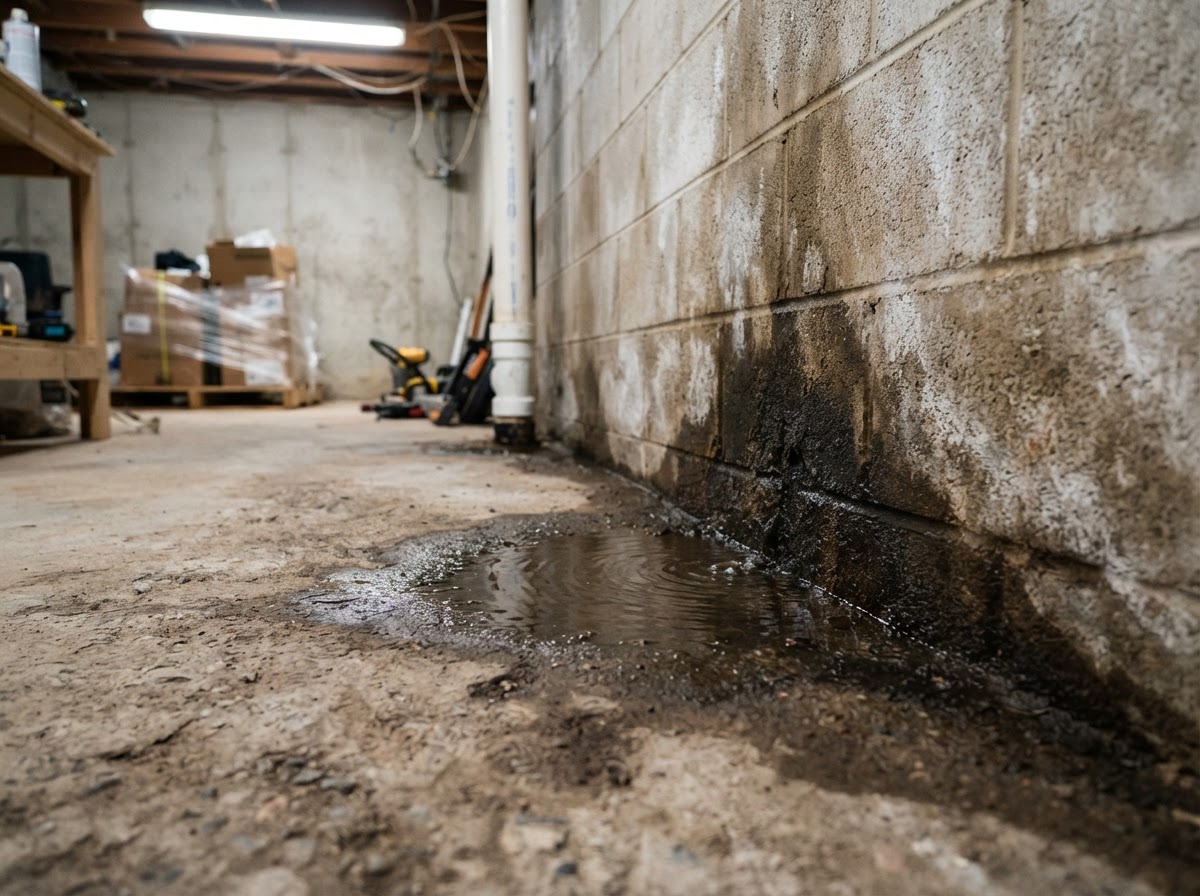
A leaking crack means water pressure is reaching the wall. The crack itself might be cosmetic, but the water behind it isn't — it points to poor drainage or hydrostatic pressure. We can seal the crack, but we'll also tell you if the real fix is managing the water with drain tile or grading so it doesn't just find the next weak point.
When does a crack mean a wall is bowing?
When a horizontal crack runs along a mortar joint in a block wall and the wall is bowing, leaning, or bulging inward, that's lateral soil pressure — a structural problem, not a crack problem. Sealing it won't stop the wall from moving. That's when we point you to our structural foundation repair work rather than papering over it.
Our Other Services
Sump Pump Repair
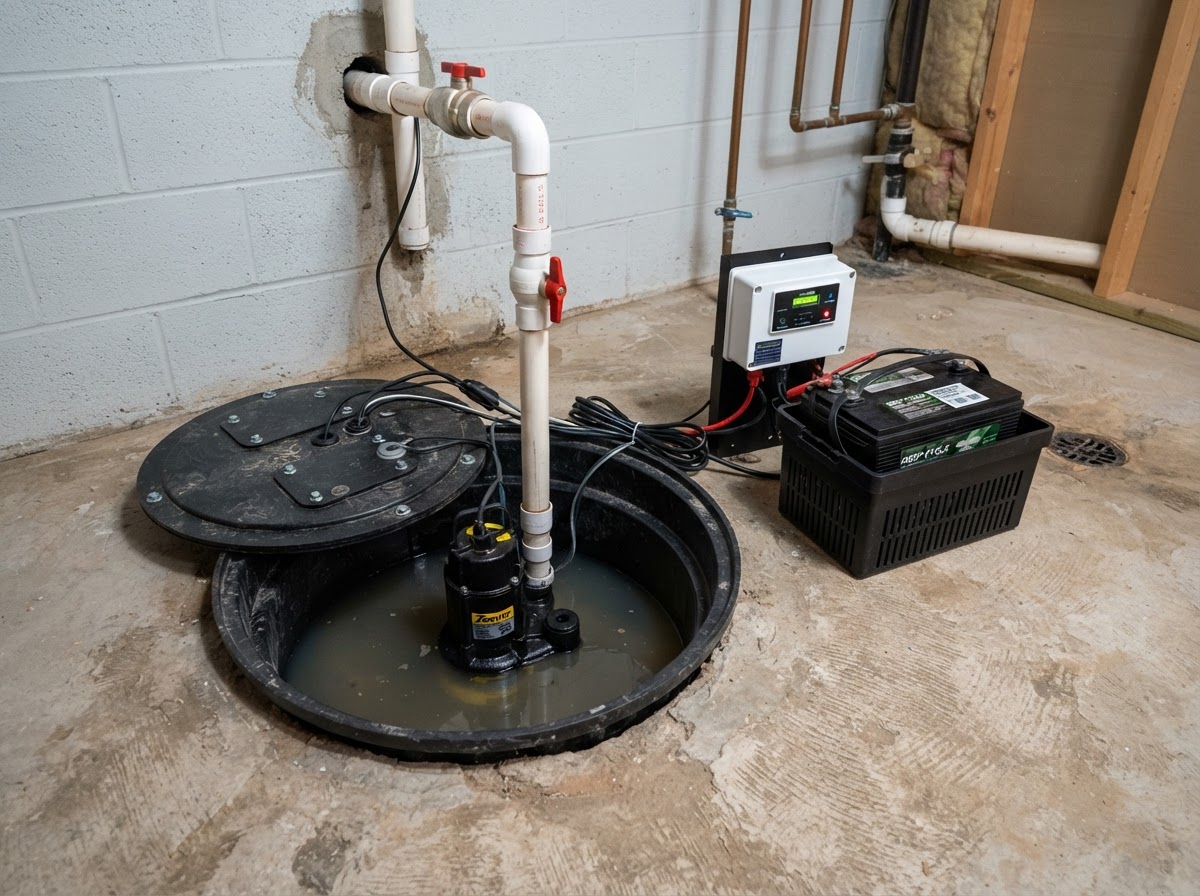
Fix pumps that won't start, run nonstop, cycle constantly or fail in a storm.
Learn more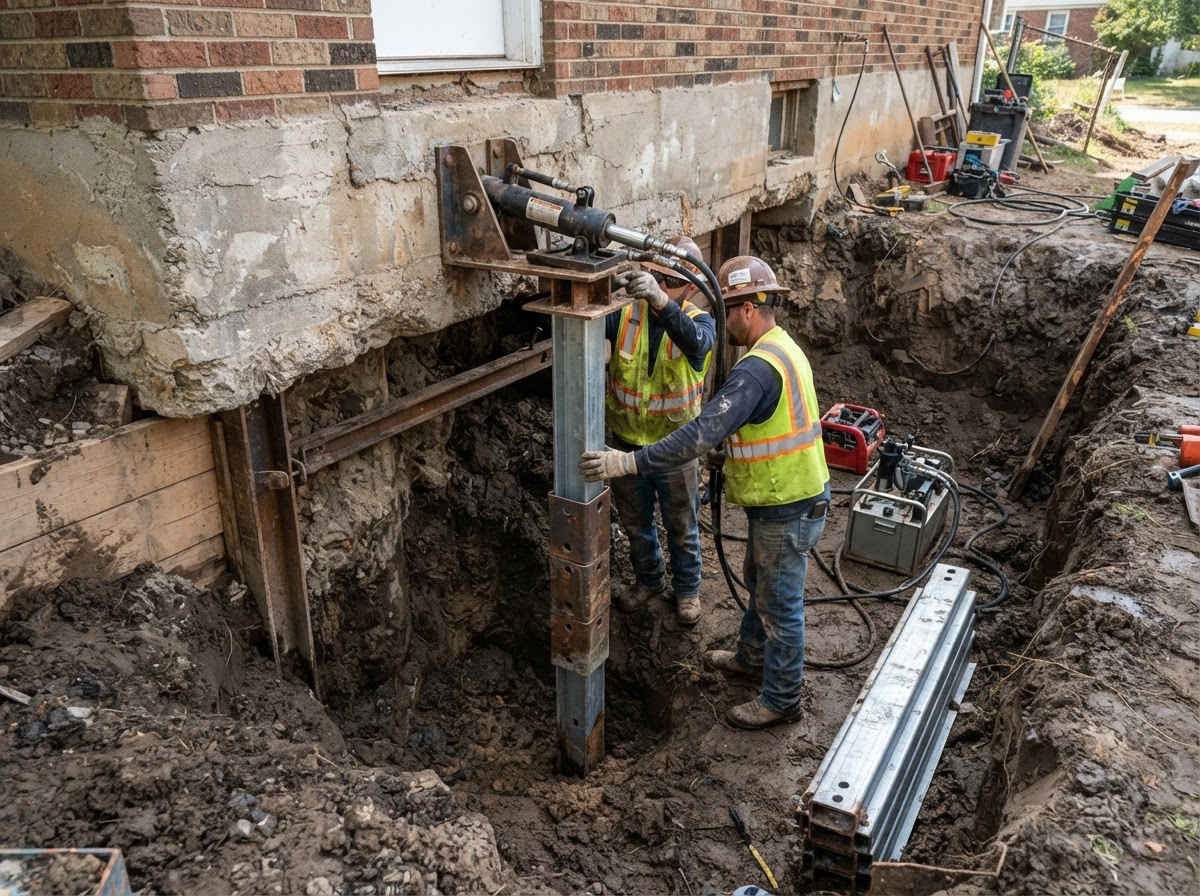
Foundation Settling Repair
Stop a sinking home — sloping floors, sticking doors and stair-step cracks.
Learn more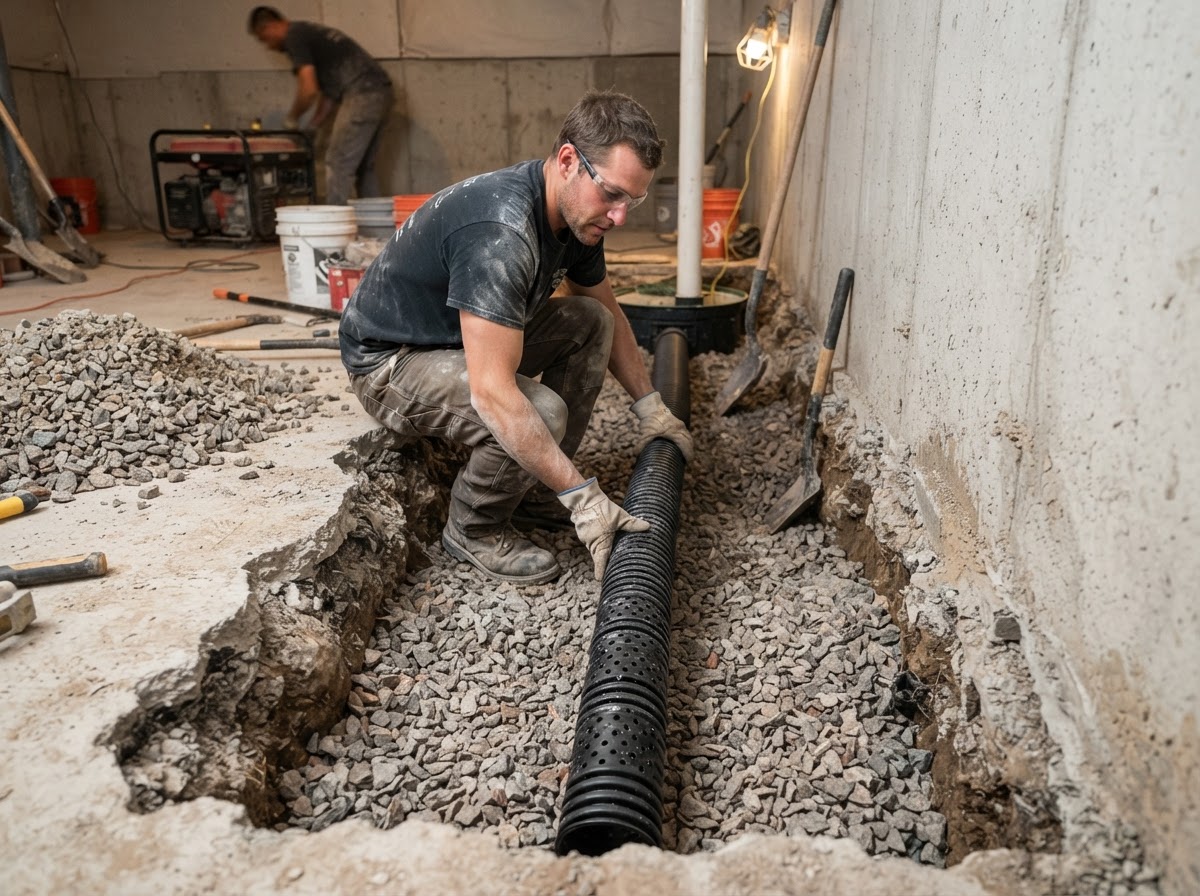
Basement Waterproofing
Keep water out — seepage at the floor-wall joint, wet walls and puddles.
Learn more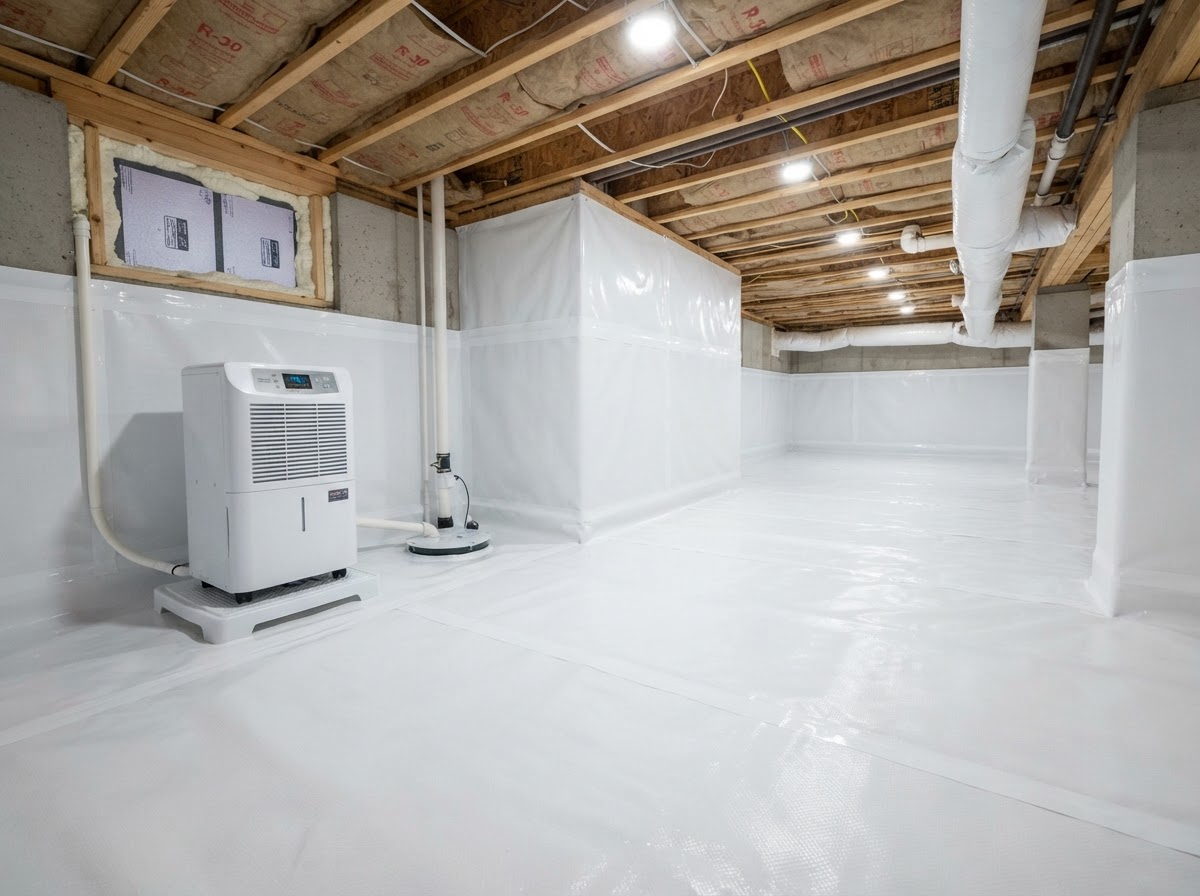
Crawl Space Encapsulation
Seal a crawl space — vapor barrier, dehumidifier, insulation, vent sealing.
Learn more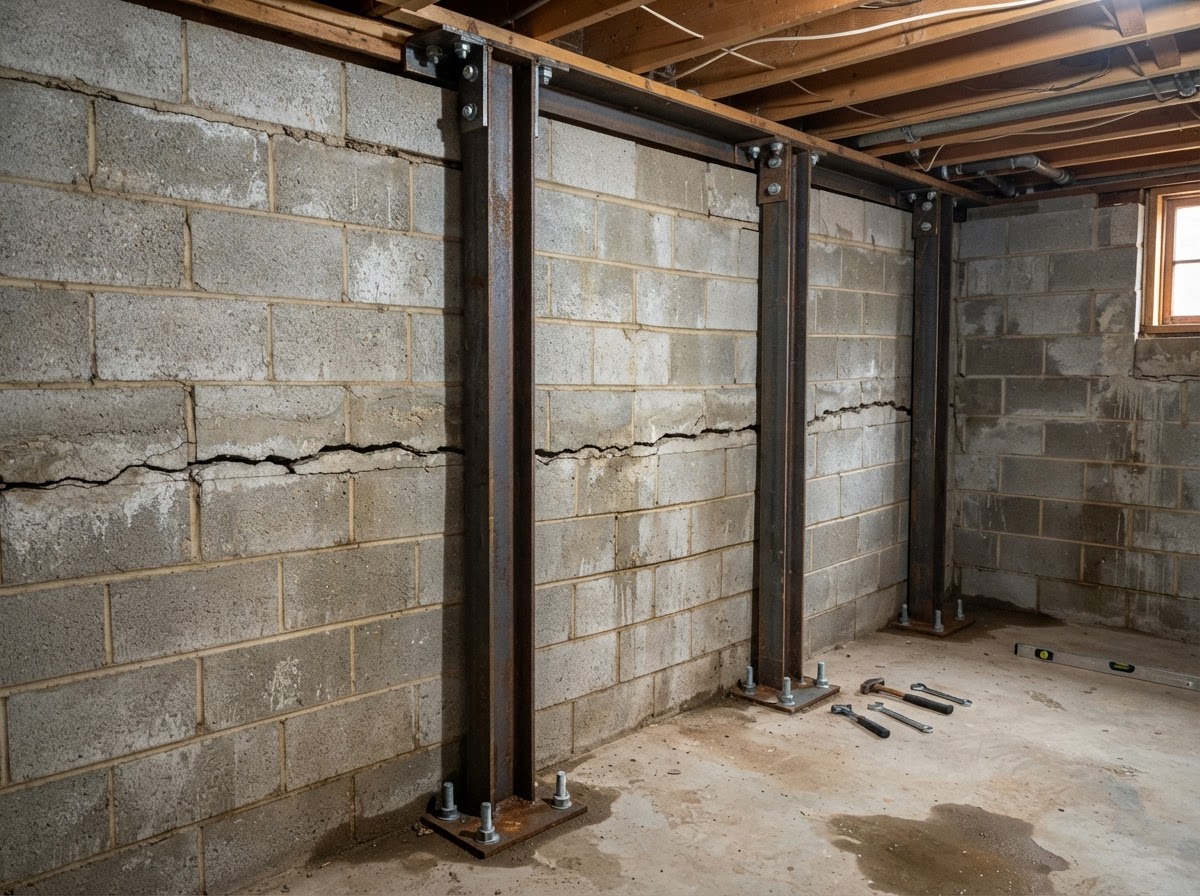
Foundation Repair
Stop walls moving inward — bowing, leaning, bulging block and horizontal cracks.
Learn more