New Berlin's Local Foundation & Basement Specialists
Crawl Space Encapsulation in New Berlin, WI
Call 414-262-5777 — we'll diagnose it and give you a straight, written quote.
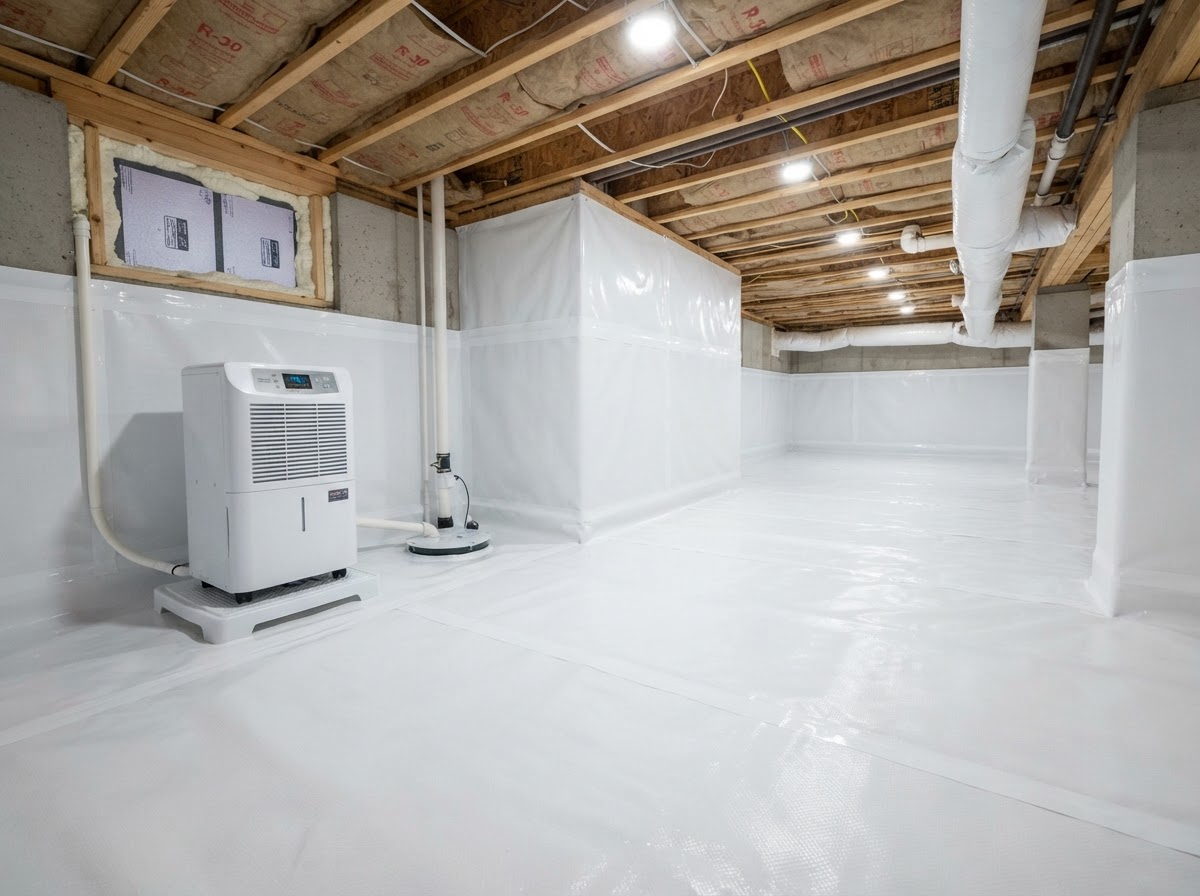
An open, vented crawl space under a home lets in humidity, mold, musty smells, pests, cold floors and frozen pipes — and drives up energy bills all winter. Encapsulation seals it off with a heavy-duty vapor barrier across the floor and walls, sealed vents, insulation, and a dehumidifier to hold a steady, dry humidity level.
To be honest, most homes in New Berlin have full basements, not crawl spaces. Around here crawl spaces are mostly found under one section of a split-level or tri-level home, and under additions, sunrooms and porches. If you have one, encapsulation is one of the highest-comfort, lowest-regret upgrades you can make.

A Vented Crawl Space Breathes In Trouble
Under a New Berlin split-level or addition, an open crawl space spends the summer pulling in humid air and the winter letting in freezing cold — so the floor above it stays chilly and the pipes under it stay at risk. The musty smell upstairs and the sagging insulation below are the same problem: moisture moving freely through a space that was never meant to be sealed. Encapsulation cuts that cycle off at the source, turning a damp, drafty void into dry, conditioned space. Doing it before the next cold snap protects the pipes and the comfort of the room overhead.
Call 414-262-5777Request Your Free Estimate
Tell us what you're seeing. No obligation.
Proud to Serve New Berlin & Southeastern Wisconsin
We work across the whole region. Tap your town for local details.
What's Included
Heavy-duty vapor barrier
A thick liner sealed across the crawl space floor and up the walls to block ground moisture.
Vent sealing
Closing the vents so humid outside air and pests can't get in.
Insulation
Wall insulation that keeps the space — and the floor above it — warm and dry.
Dehumidifier
A properly sized dehumidifier to hold a steady, low humidity level year-round.
Moisture & mold assessment
We check for standing water, mold, and rot before we seal anything.
Why This Happens in New Berlin
Crawl spaces around here fight the same heavy clay and hard winters as our basements, but with less protection. Southeastern Wisconsin's glacial till holds water in the soil, so a dirt-floored crawl space constantly wicks moisture up into the house. Our long, humid summers push damp air through the vents, and our winters freeze the ground several feet deep — so a vented crawl space means cold floors and frozen pipes right under the rooms you're trying to keep warm.
To be straightforward about the local picture: most homes in New Berlin have full basements, not crawl spaces. Crawl spaces here are mostly found under one section of split-level and tri-level homes, and under additions, sunrooms and porches. So this service applies to a real but smaller share of homes than our basement work. If you have one of those crawl spaces, though, encapsulation fixes a cluster of problems — humidity, musty smells, cold floors, pests, and high bills — all at once.
Prevention Tips
If you have a vented crawl space, the best prevention is encapsulation itself — it stops the moisture at the source. Before that, make sure the ground is graded to drain away from the crawl space and that no downspouts discharge against the foundation. Keep an eye out for musty smells, sagging insulation, or condensation on pipes, which all mean moisture is getting in. Don't store cardboard or anything that holds moisture in a vented crawl space. And if you see mold, get it looked at before you seal the space.
Cost Guide
Every home is different, so we give you a free quote after inspection. Here's what shapes the price.
| Repair Type | Typical Price Range | What Affects Cost |
|---|---|---|
| Crawl space inspection | Free | We assess moisture, mold, and whether the space is a good candidate. |
| Vapor barrier & vent sealing | Free quote after inspection | Square footage, barrier thickness, and number of vents. |
| Insulation | Free quote after inspection | Wall area and insulation type for the space. |
| Dehumidifier installation | Free quote after inspection | Unit size for the space and whether a drain or pump is needed. |
Why Choose Us for Crawl Space Encapsulation
Honest about whether you need it
We tell you if your home even has a crawl space worth encapsulating — no overselling.
Seal it all, not just the floor
Barrier, vents, insulation, and dehumidifier work together or it doesn't hold.
Moisture first
We fix standing water and mold before we seal, so we don't trap problems inside.
Get Your Free Estimate
Tell us what you're seeing and we'll come take a look — no pressure, no obligation.
Our Process
Call or request
Tell us about the smell, moisture, or cold floors.
Inspect & assess
We check for water, mold, and measure the space.
Written quote
You get a clear encapsulation plan and price, no obligation.
Seal & dehumidify
We install the barrier, seal vents, insulate, and set the dehumidifier.
Crawl Space Encapsulation FAQ
Does the crawl space under my split-level need to be encapsulated?
If it's a vented, dirt-floored crawl space, encapsulation is usually worth it. Around New Berlin, crawl spaces are mostly found under one section of split-level and tri-level homes, and under additions, sunrooms and porches — most homes here have full basements. An open crawl space lets in humidity, mold, musty smells, pests, cold floors and frozen pipes, and drives up energy bills. Sealing it turns it into clean, dry, conditioned space.
What does encapsulation actually involve?
Encapsulation means sealing the crawl space off from the ground and outside air. We lay a heavy-duty vapor barrier across the floor and up the walls, seal the vents, insulate the walls, and add a dehumidifier to hold a steady, dry humidity level. The result is a clean, dry space that doesn't breathe in humid summer air or let cold winter air freeze your pipes.
Will it really lower my energy bills?
It can, especially in a home with cold floors above a vented crawl space. A sealed, insulated crawl space stops the cold air and ground moisture that make the floor above it cold and force your furnace to work harder. How much you save depends on the home, but most homeowners notice more comfortable floors and steadier humidity right away.
How do I know if my crawl space has a moisture problem?
The signs are a musty smell, visible mold or mildew, damp or wet insulation, sagging vapor barrier, condensation on pipes and ducts, pests, and cold floors in the room above. If you see any of these, the crawl space is pulling in moisture and losing heat — encapsulation addresses all of it at once.
Our Other Services
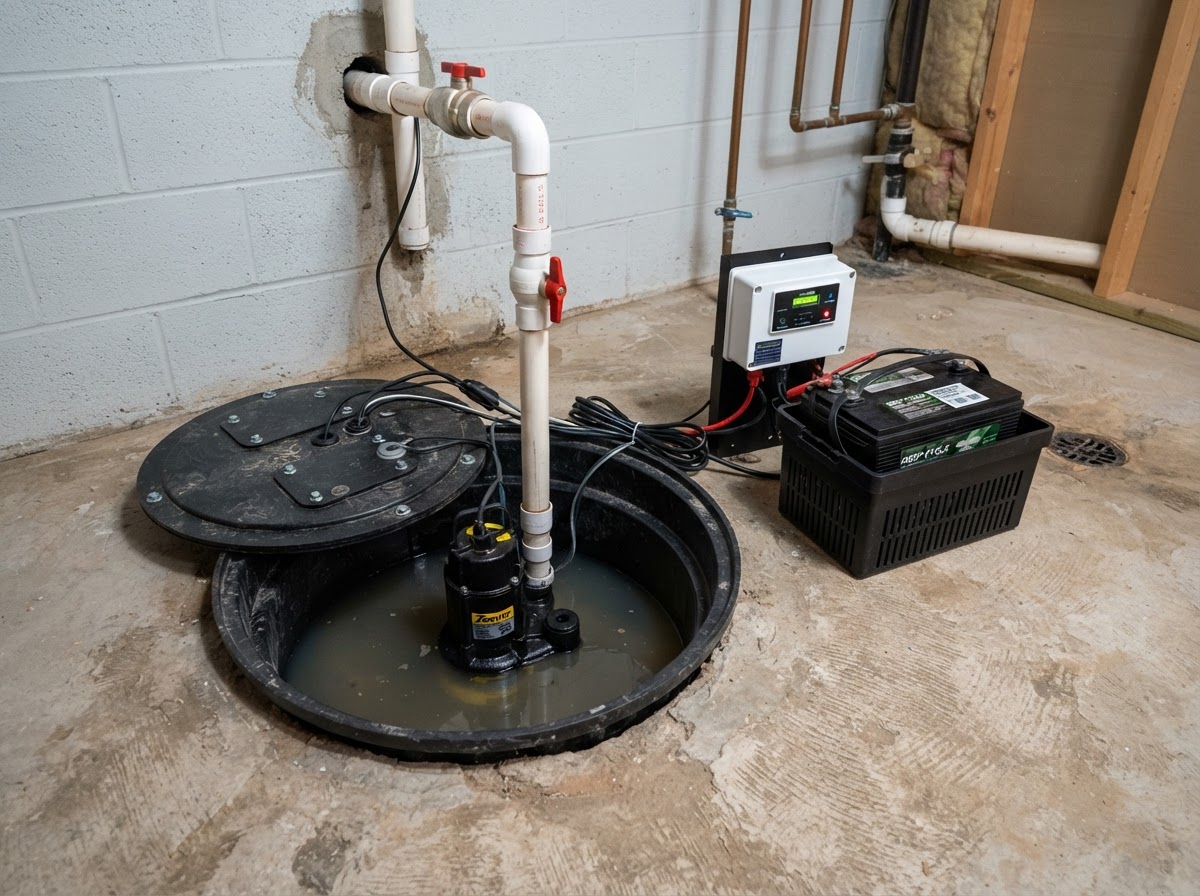
Sump Pump Repair
Fix pumps that won't start, run nonstop, cycle constantly or fail in a storm.
Learn more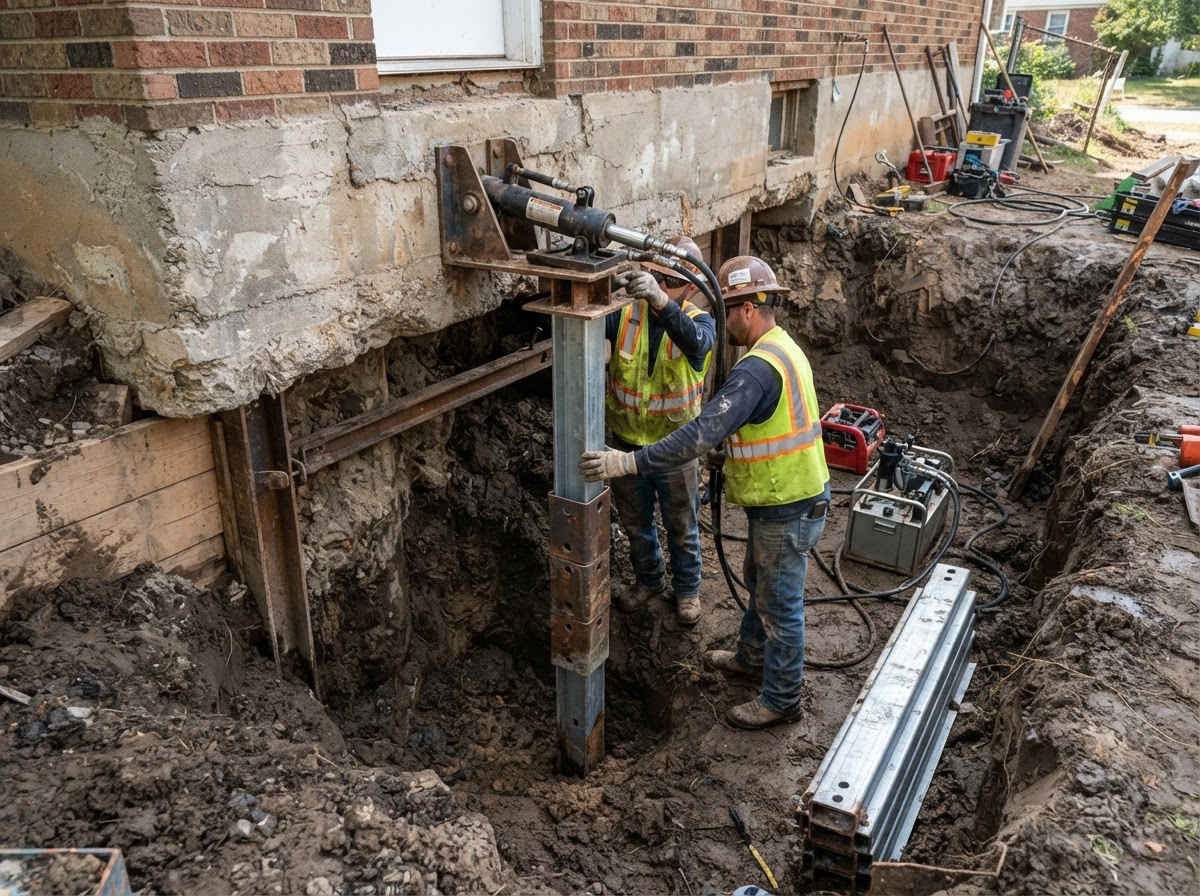
Foundation Settling Repair
Stop a sinking home — sloping floors, sticking doors and stair-step cracks.
Learn more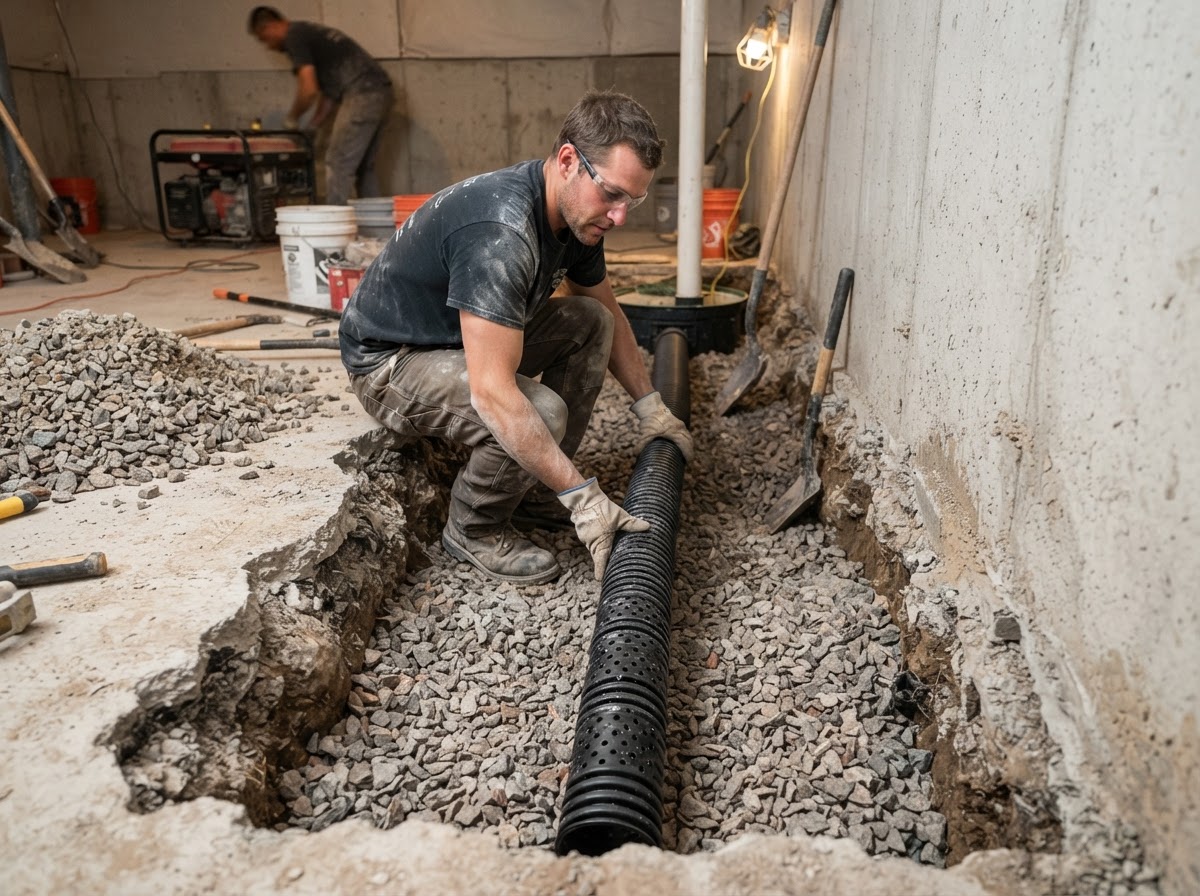
Basement Waterproofing
Keep water out — seepage at the floor-wall joint, wet walls and puddles.
Learn more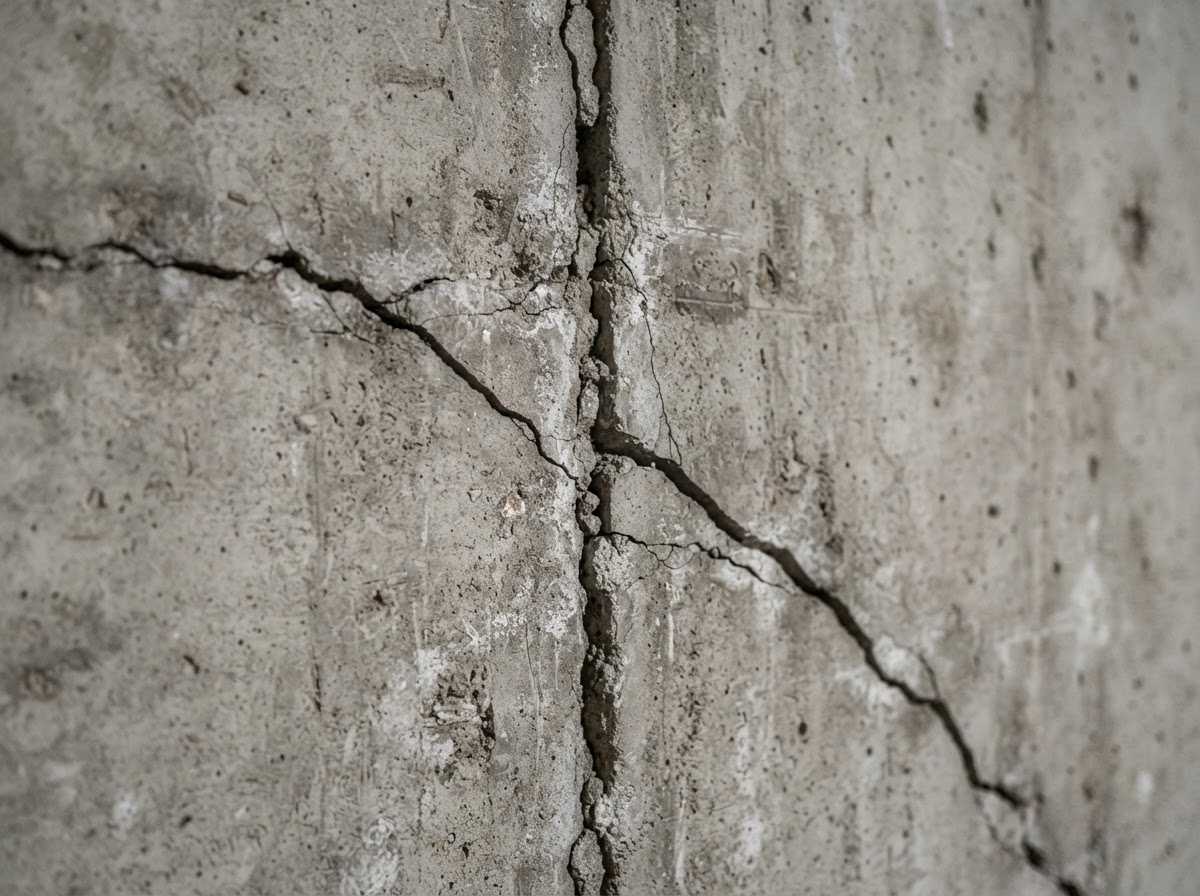
Basement Wall Crack Repair
Diagnose and seal vertical, diagonal, stair-step and horizontal cracks.
Learn more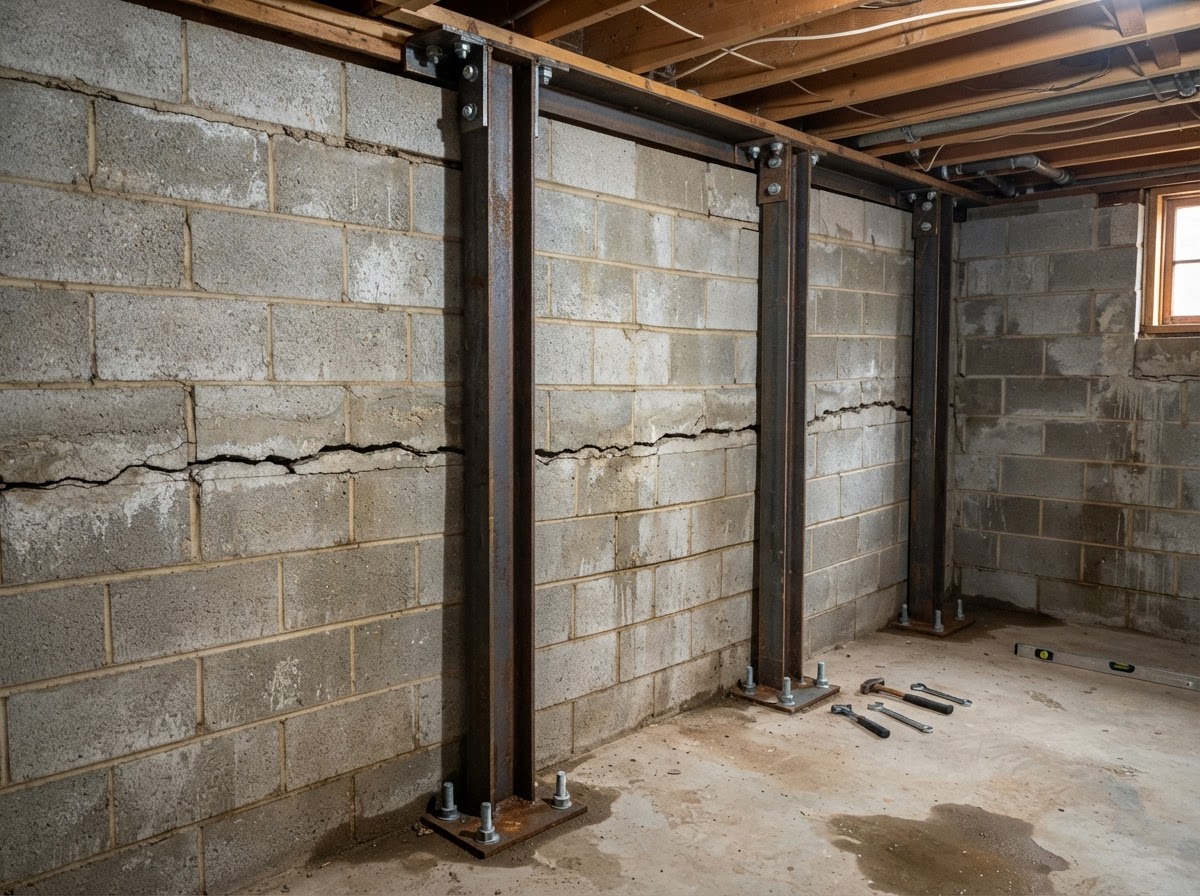
Foundation Repair
Stop walls moving inward — bowing, leaning, bulging block and horizontal cracks.
Learn more