New Berlin's Local Foundation & Basement Specialists
Foundation Settling Repair in New Berlin, WI
Call 414-262-5777 — we'll diagnose it and give you a straight, written quote.
When a house settles unevenly, the signs show up everywhere: floors that slope, doors and windows that stick or won't close, stair-step cracks in brick or block, drywall cracks, gaps at trim, and a chimney that leans away from the house. These are vertical-movement problems — the soil under part of the footing has given way.
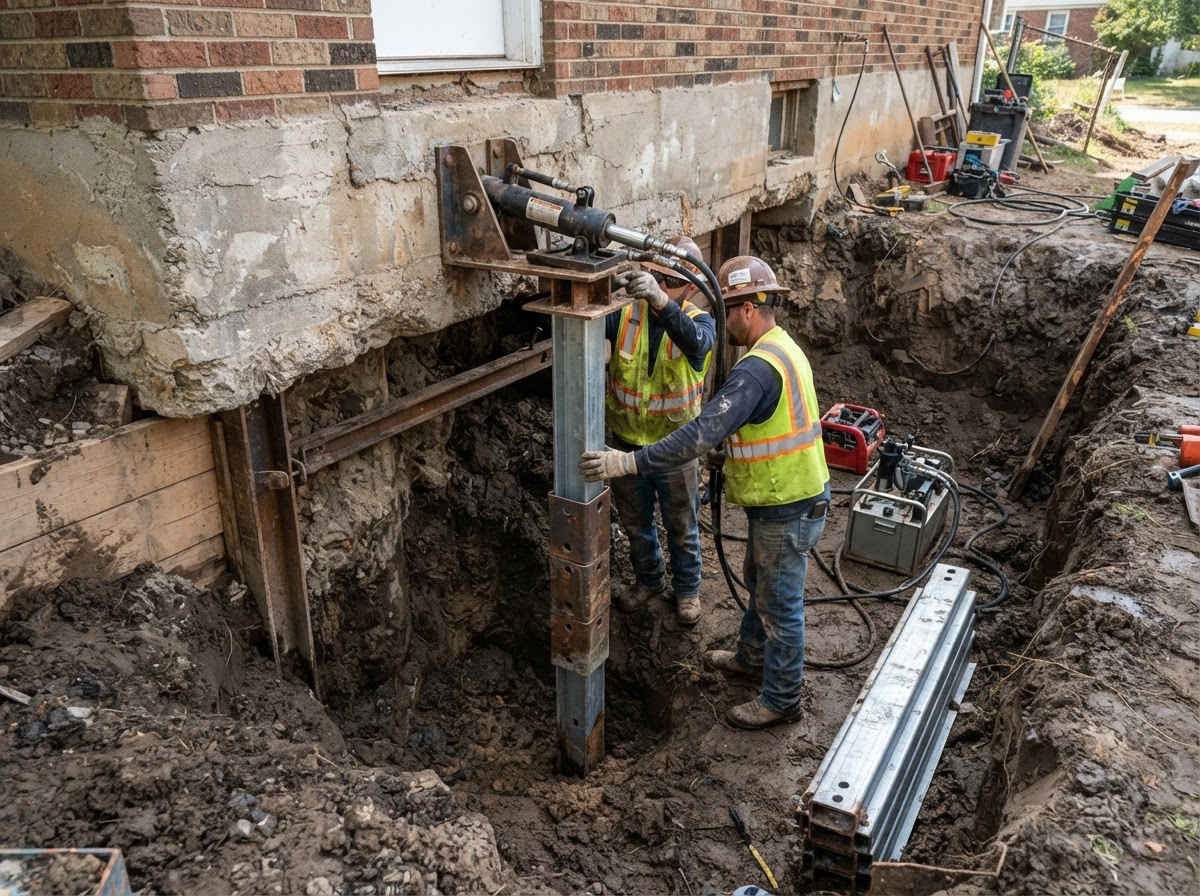
We diagnose what's actually sinking and why, then stabilize the home with piers or underpinning that transfers the load to solid, load-bearing strata deep below the problem soil. The goal is a permanent fix, not a patch that reopens next spring.
Settling Never Fixes Itself
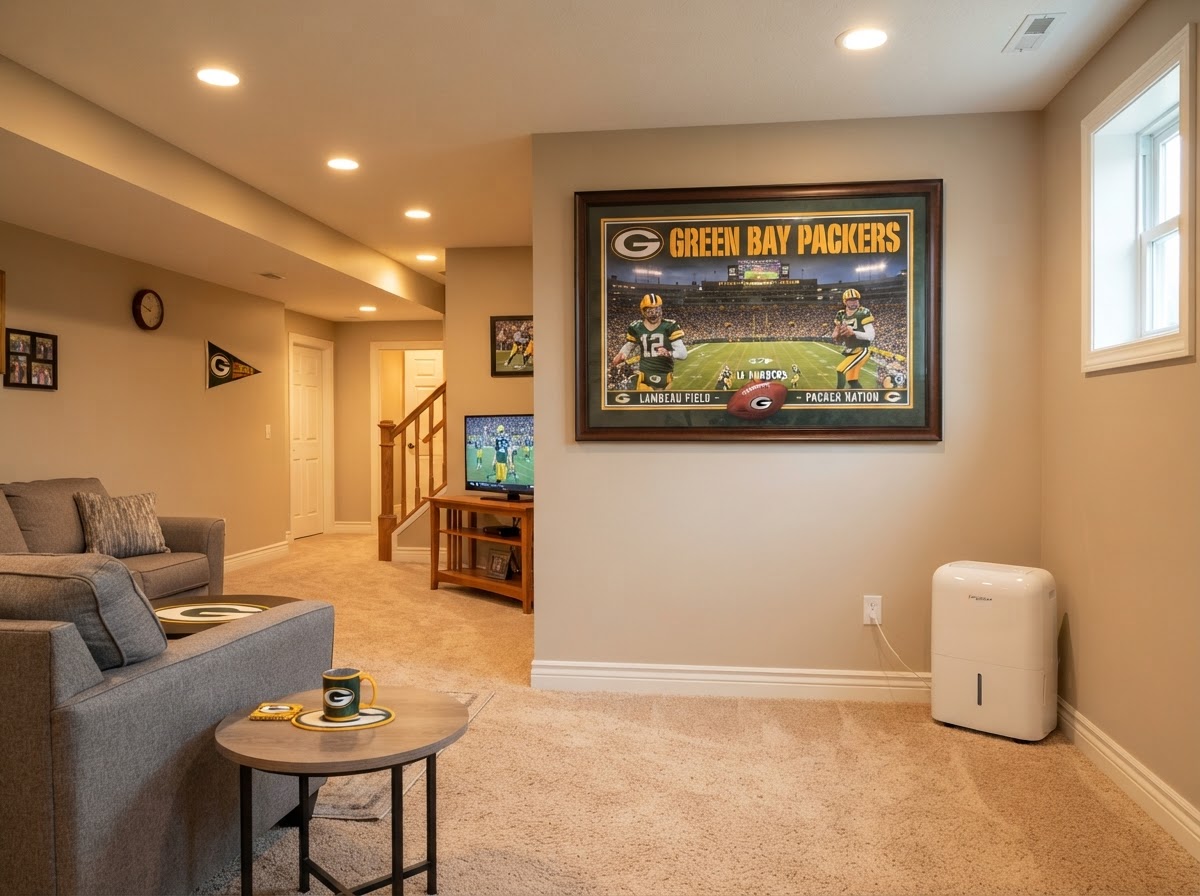
When one corner of a New Berlin home starts to sink, the weight of the house drives it deeper into the softening clay every season. That stuck door you're planing shut or the crack you keep patching is the house telling you the soil underneath is losing the fight. Piers stop the movement by locking the footing to solid strata below the problem layer — and the earlier they go in, the less of the home's framing and finishes have to be corrected afterward. Letting it ride through another winter only widens the gap we have to close.
Call 414-262-5777Request Your Free Estimate
Tell us what you're seeing. No obligation.
Proud to Serve New Berlin & Southeastern Wisconsin
We work across the whole region. Tap your town for local details.
What's Included
Settling diagnosis
We identify which part of the foundation is sinking and what's driving it — soil, water, or both.
Push piers & helical piers
Steel piers driven to solid strata to stop downward movement and often lift the home back toward level.
Underpinning
Reinforcing the footing so it rests on stable, load-bearing ground instead of problem soil.
Crack & trim monitoring
We help you tell cosmetic movement from structural movement that needs piers.
Why This Happens in New Berlin
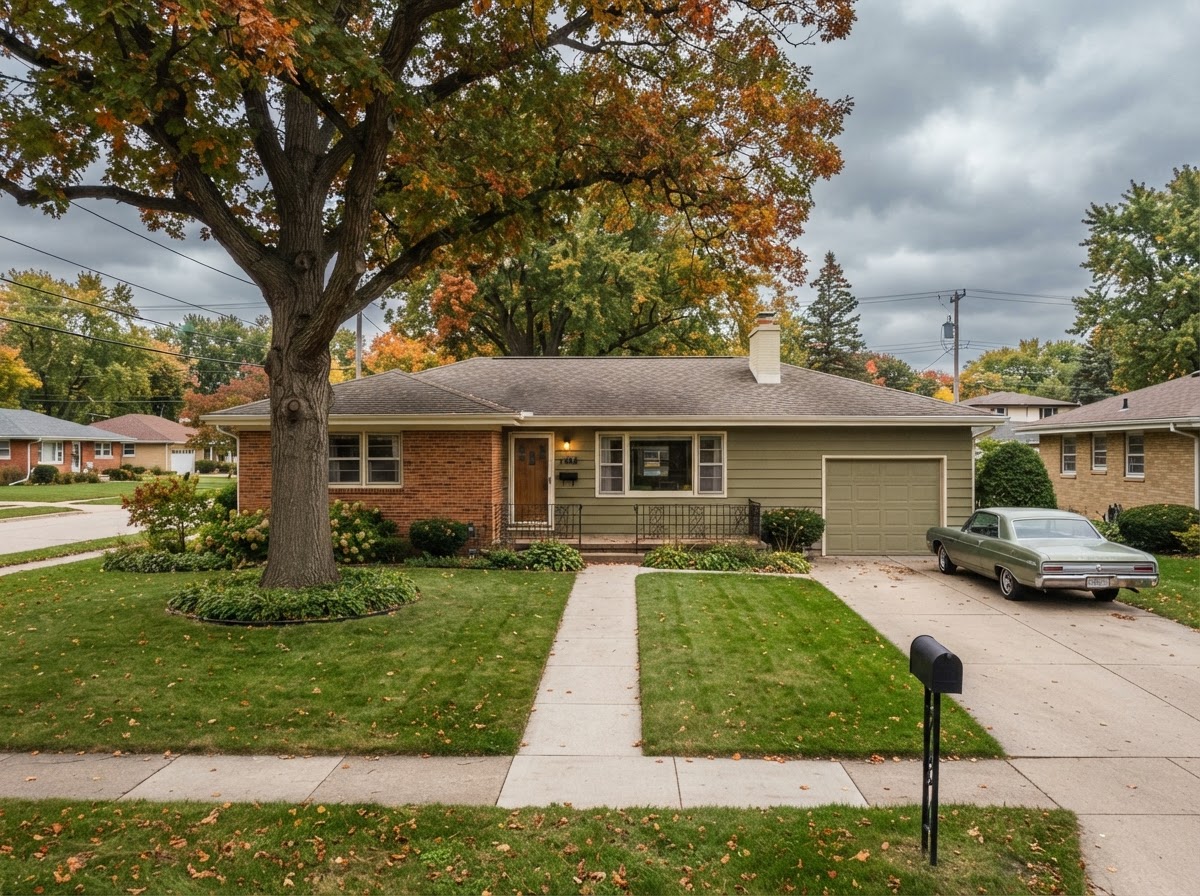
Settling is common around here because of what's under our homes. Southeastern Wisconsin sits on glacial till full of heavy clay that swells when wet and shrinks when dry — so the soil under a footing literally grows and shrinks with the seasons, year after year. New Berlin grew mostly from the 1950s through the 1990s, and many of its ranches, split-levels and two-story homes were built on larger lots where the original soil prep and compaction are now decades old.
Spring snowmelt and intense summer thunderstorms saturate that clay quickly, and water that pools against the footing can wash out the soil beneath it. The subcontinental divide runs through New Berlin and the Root River begins in this area, so groundwater movement is a real factor. When one corner of a home settles faster than the rest, the whole house tilts — and that's when doors stick and cracks open up.
Prevention Tips
Keep water away from the foundation. Clean your gutters and extend downspouts well out from the house so water doesn't pool next to the footing and wash out the soil beneath it. Grade the soil so it slopes away from the foundation on all sides. Watch for the early signs — a sticking door, a new crack, a floor that feels off — and get it inspected before a small movement becomes a big one. Catching settling early almost always costs less.
Cost Guide
Every home is different, so we give you a free quote after inspection. Here's what shapes the price.
| Repair Type | Typical Price Range | What Affects Cost |
|---|---|---|
| Inspection & diagnosis | Free | No charge to find out what's actually moving and why. |
| Push pier installation | Free quote after inspection | Number of piers, depth to solid strata, and how much lift is possible. |
| Helical pier installation | Free quote after inspection | Used in lighter or wetter soil; depth and pier count drive cost. |
| Underpinning & stabilization | Free quote after inspection | Extent of footing work and access around the foundation. |
Why Choose Us for Foundation Settling Repair
Find the real cause
We figure out what's actually sinking before we recommend piers — not the other way around.
Permanent fix
Piers transfer the load to solid strata, so the settling stops for good.
Honest scope
We only pier the sections that need it, not the whole house if we don't have to.
Get Your Free Estimate
Tell us what you're seeing and we'll come take a look — no pressure, no obligation.
Our Process
Call or request
Tell us what you're seeing — sticking doors, cracks, sloping floors.
Inspect & measure
We map the settling and identify the unstable soil.
Written quote
You get a clear pier plan and price, no obligation.
Install & stabilize
Piers are driven and the load is transferred off the problem soil.
Foundation Settling Repair FAQ
How can I tell if my house is settling?
The signs are sloping or bouncy floors, doors and windows that stick or won't close, stair-step cracks in brick or block, cracks in drywall (especially over doors and windows), gaps at trim or baseboards, and a chimney that leans or pulls away from the house. If you see two or three of these together, it's worth an inspection.
Is some settling normal?
Minor settling in the first few years after a home is built is normal as the soil compacts. But ongoing or uneven settling years later is not — it usually means the soil under part of the footing has weakened, washed out, or was never properly compacted. Left alone it gets worse and more expensive to fix.
How do piers stop settling?
Piers (or underpinning) are driven deep past the problem soil into solid, load-bearing strata. The home's weight is then transferred from the unstable surface soil onto the piers, so the foundation stops sinking. In some cases the home can even be lifted back toward level.
Will my yard get torn up?
Pier installation does require excavation around the footing at each pier location, so there's some disruption to landscaping right next to the foundation. We keep it as contained as possible and walk you through exactly what to expect before we start.
Our Other Services
Sump Pump Repair
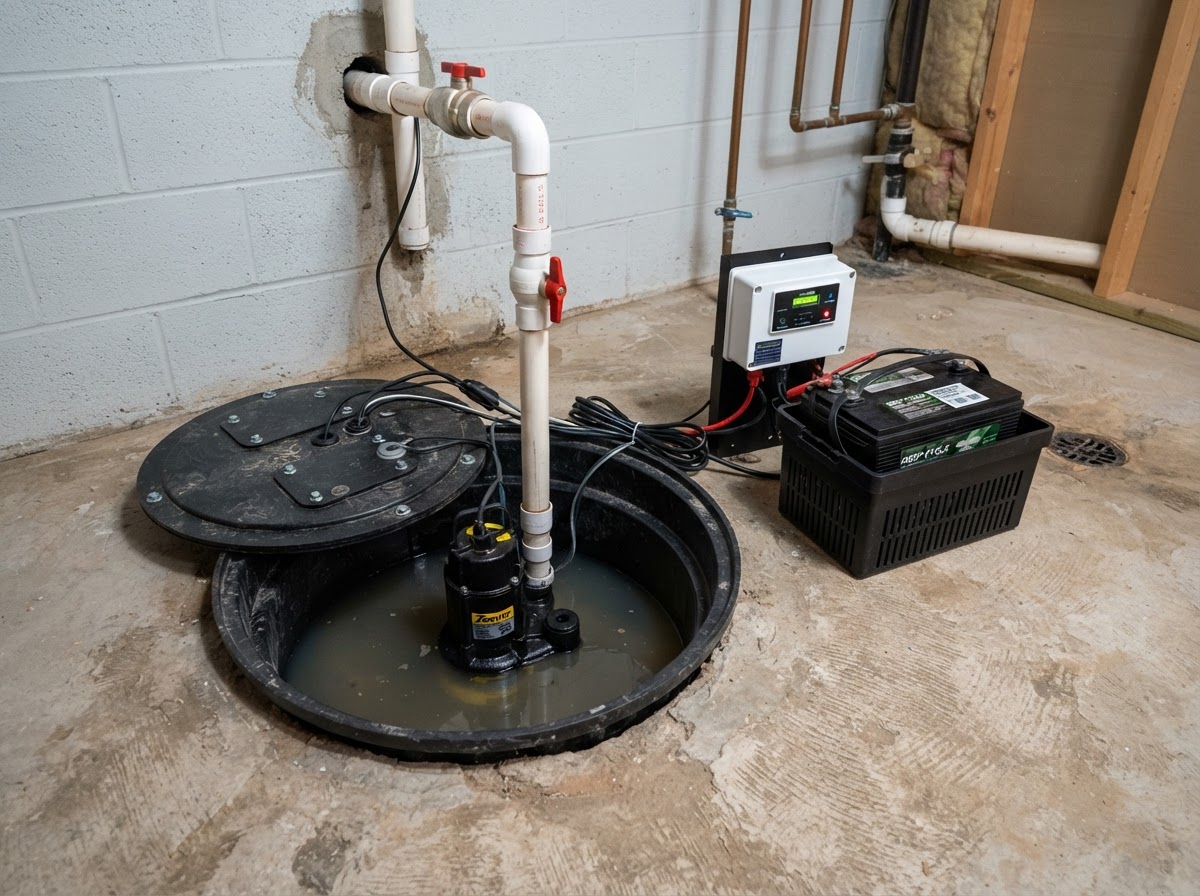
Fix pumps that won't start, run nonstop, cycle constantly or fail in a storm.
Learn more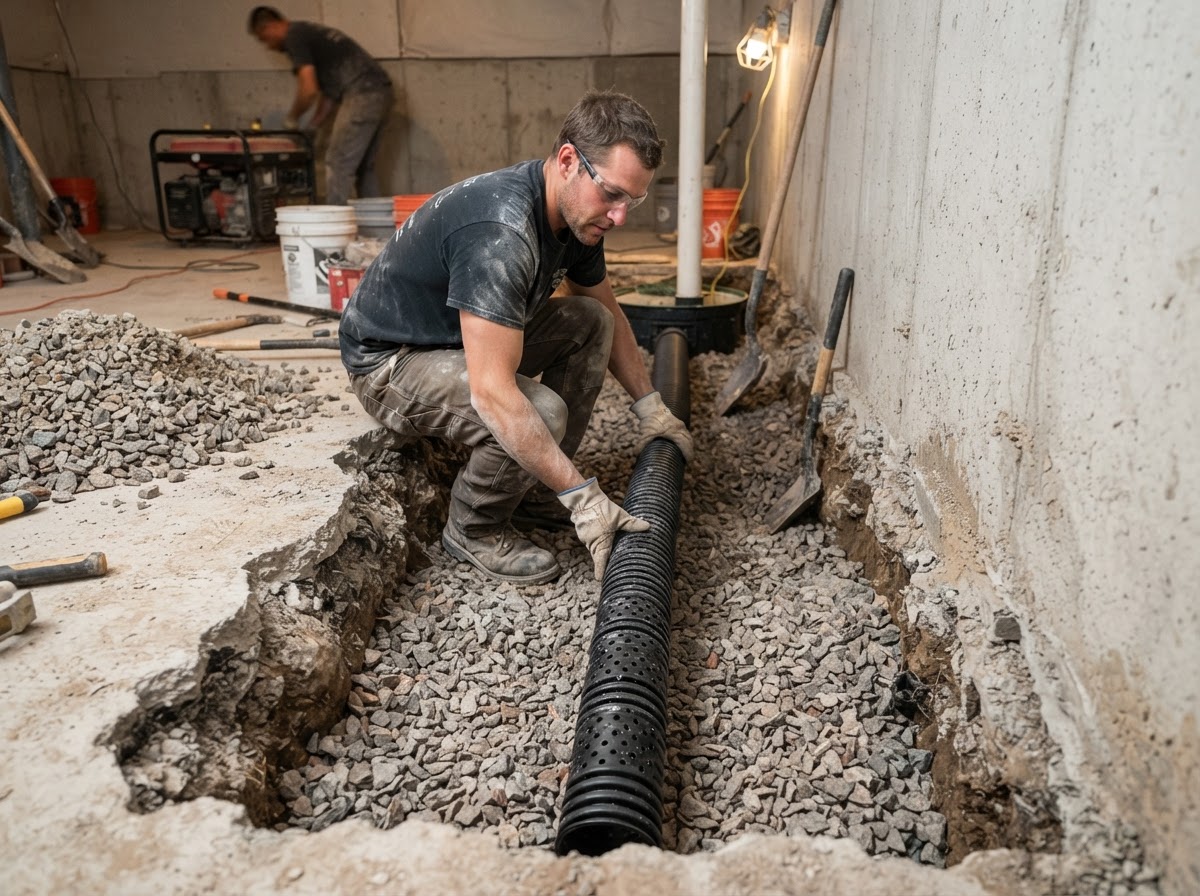
Basement Waterproofing
Keep water out — seepage at the floor-wall joint, wet walls and puddles.
Learn more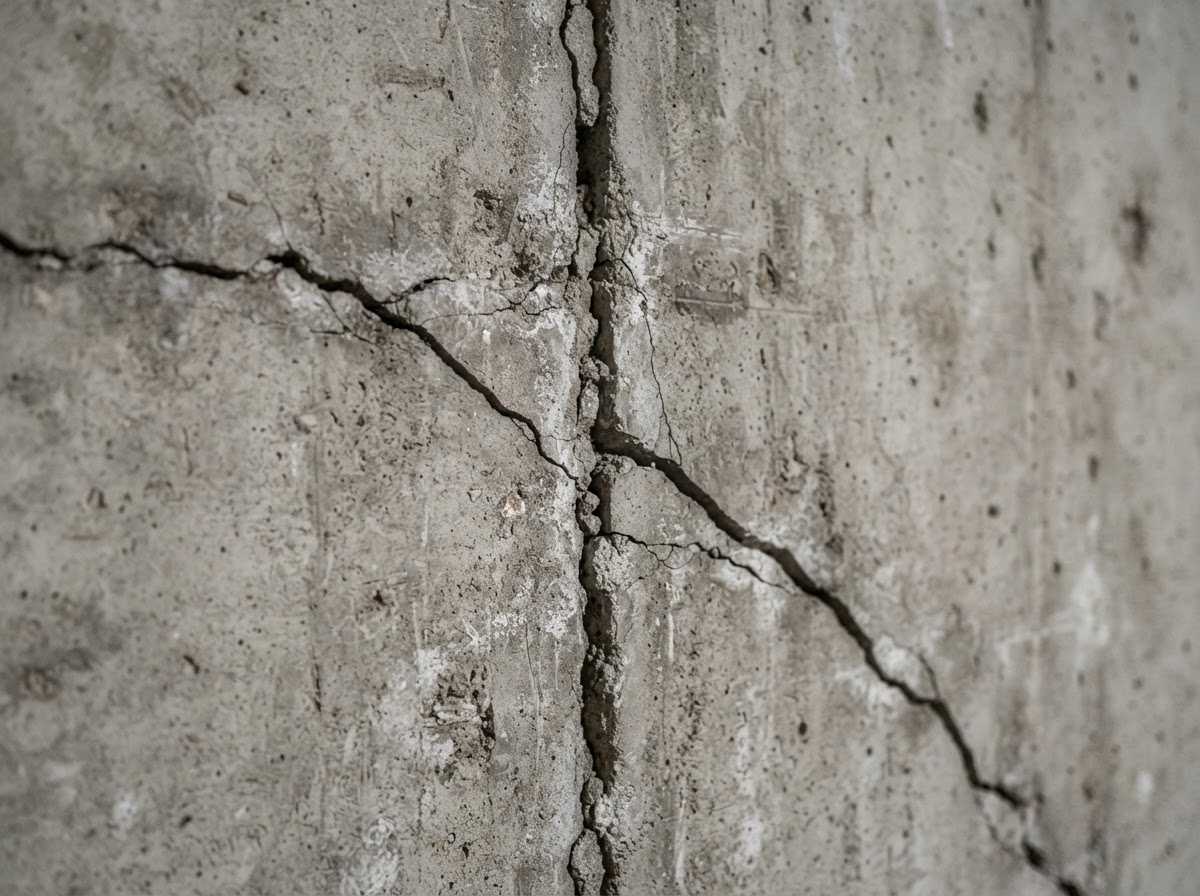
Basement Wall Crack Repair
Diagnose and seal vertical, diagonal, stair-step and horizontal cracks.
Learn more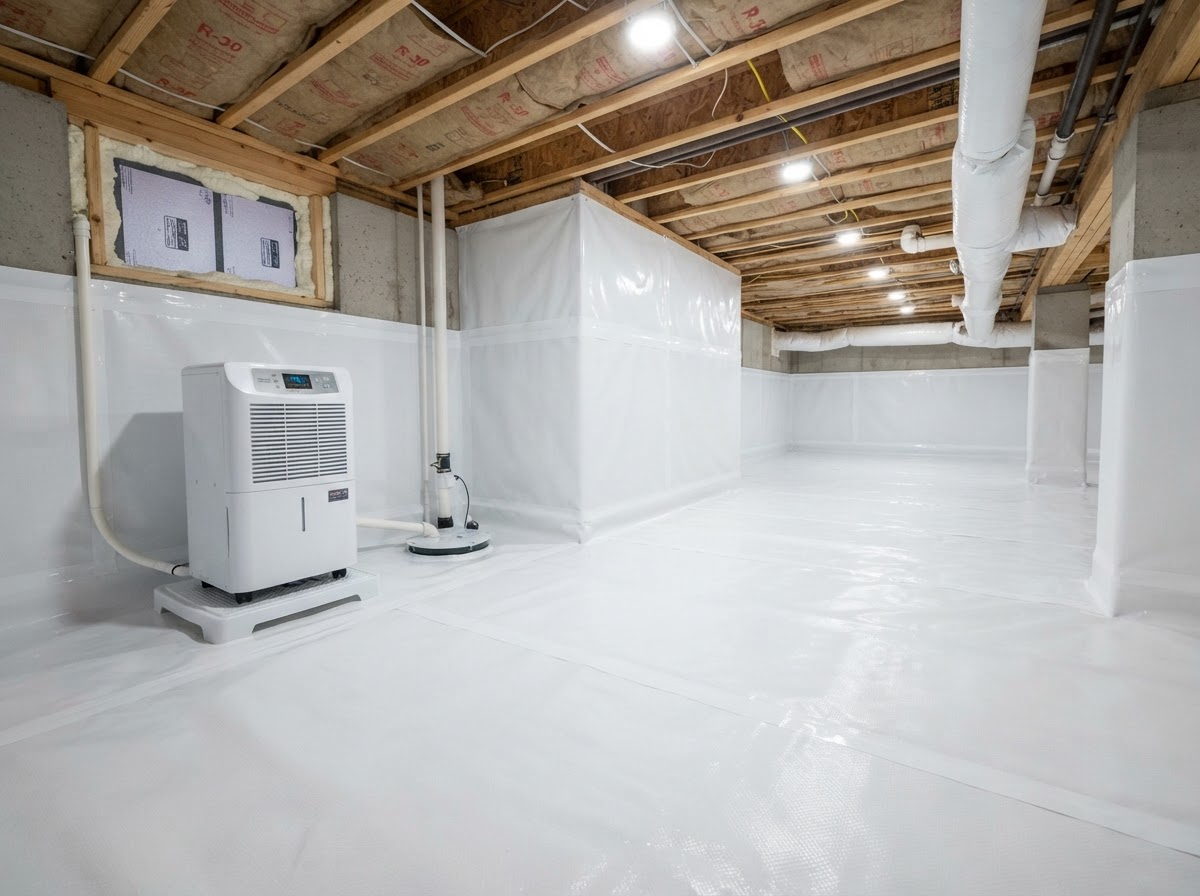
Crawl Space Encapsulation
Seal a crawl space — vapor barrier, dehumidifier, insulation, vent sealing.
Learn more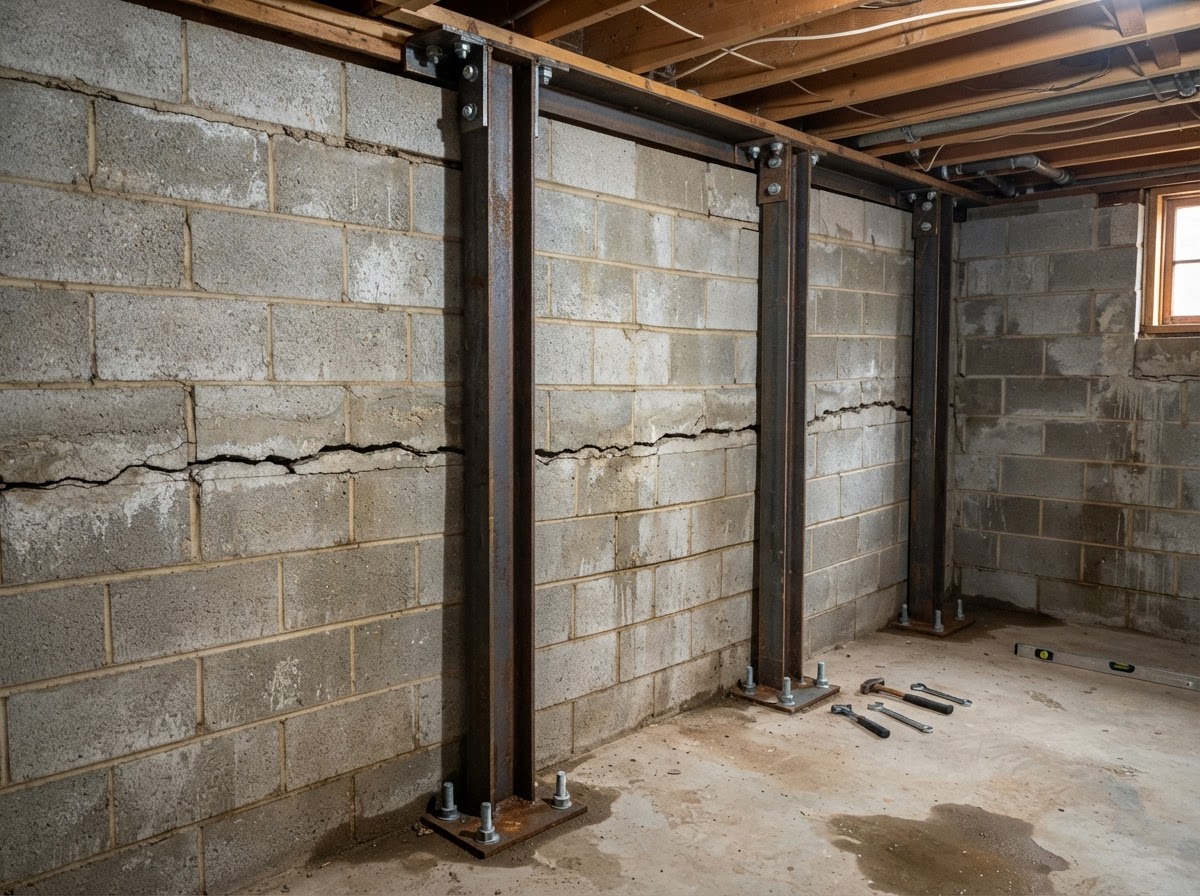
Foundation Repair
Stop walls moving inward — bowing, leaning, bulging block and horizontal cracks.
Learn more